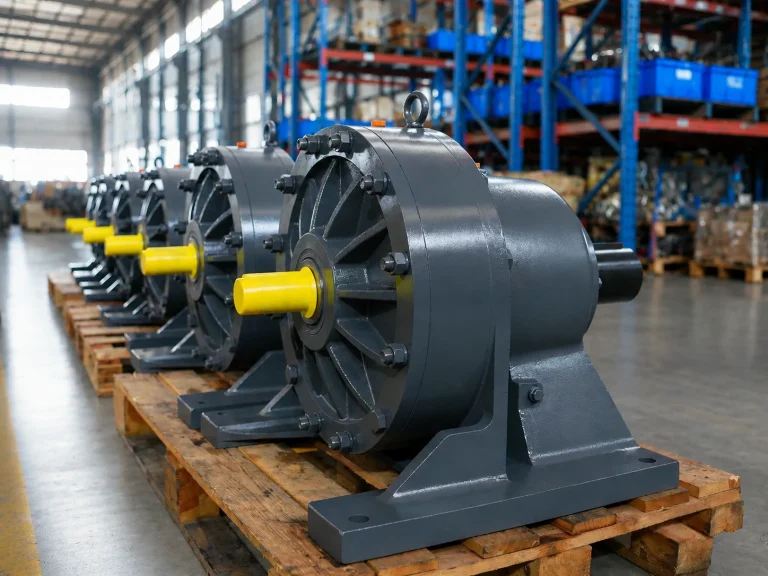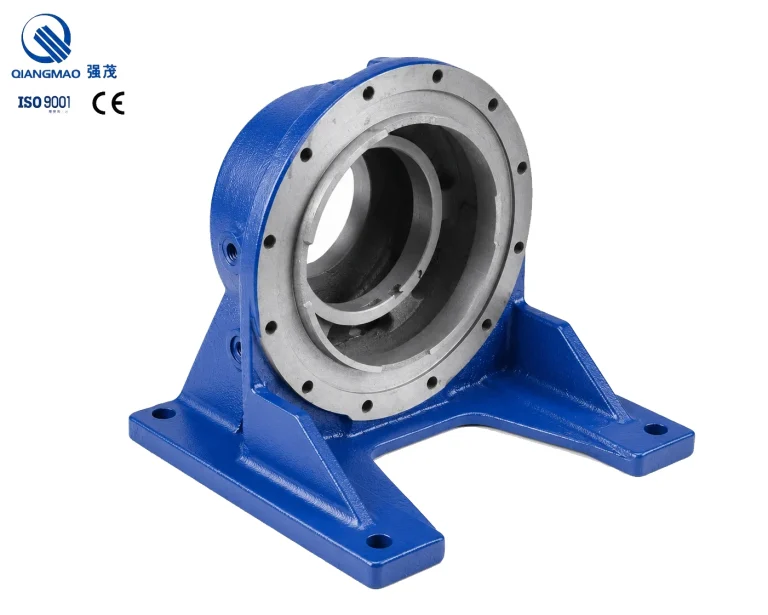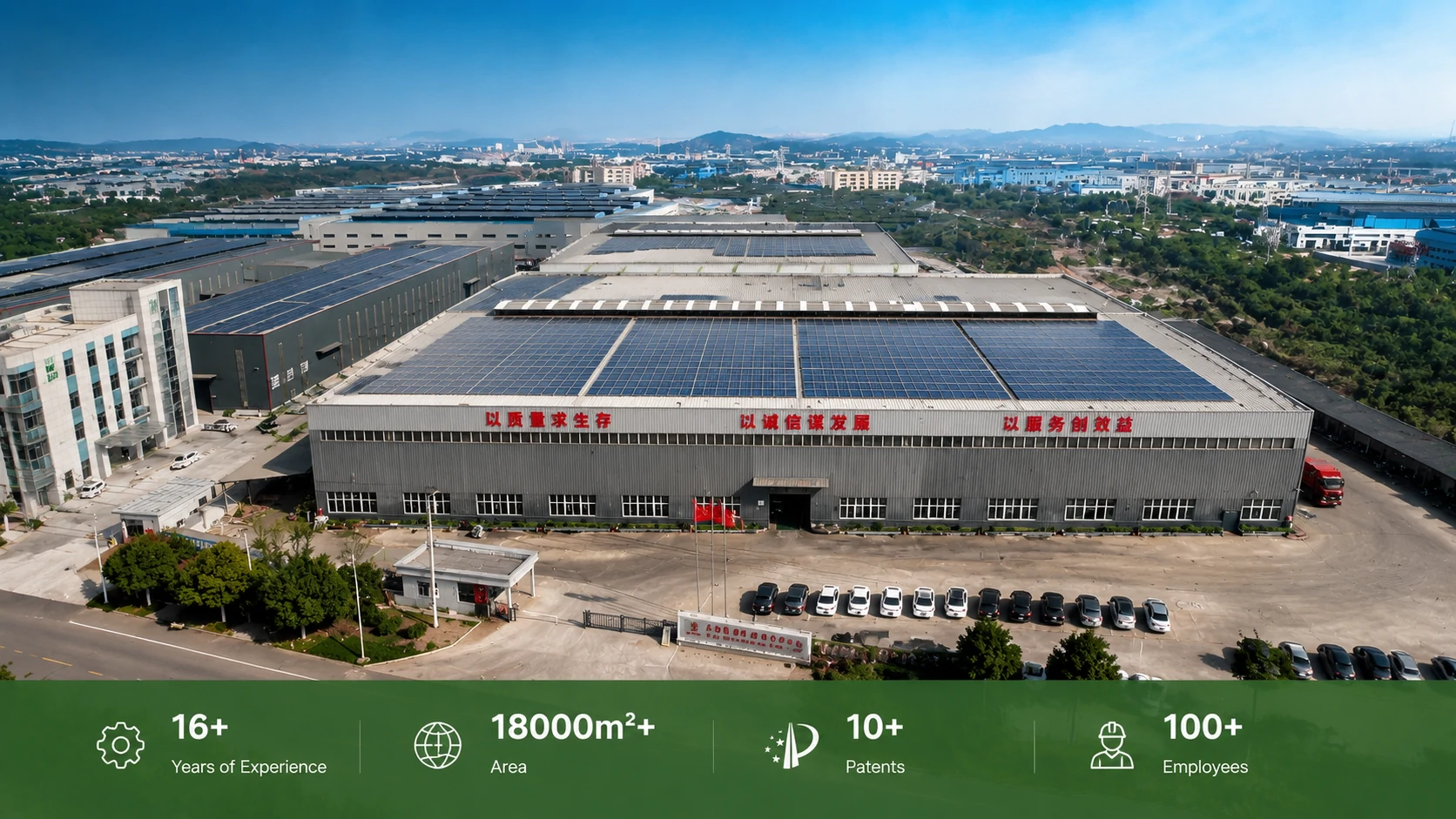
As the core hub of industrial transmission systems, hardened gear reducers directly determine the stability of entire production lines. Under long-term continuous operating conditions, overheating and oil leakage are the two most frequent and easily overlooked faults in the industry. The two problems are mutually causal: excessive heat accelerates the aging of seals and triggers oil leakage, while insufficient lubrication caused by oil leakage further intensifies friction and heat generation. Based on massive after-sales maintenance cases from Qiangmao’s five global production bases, this article systematically sorts out the core causes of the two faults and provides standardized solutions, helping enterprises minimize unplanned downtime losses.
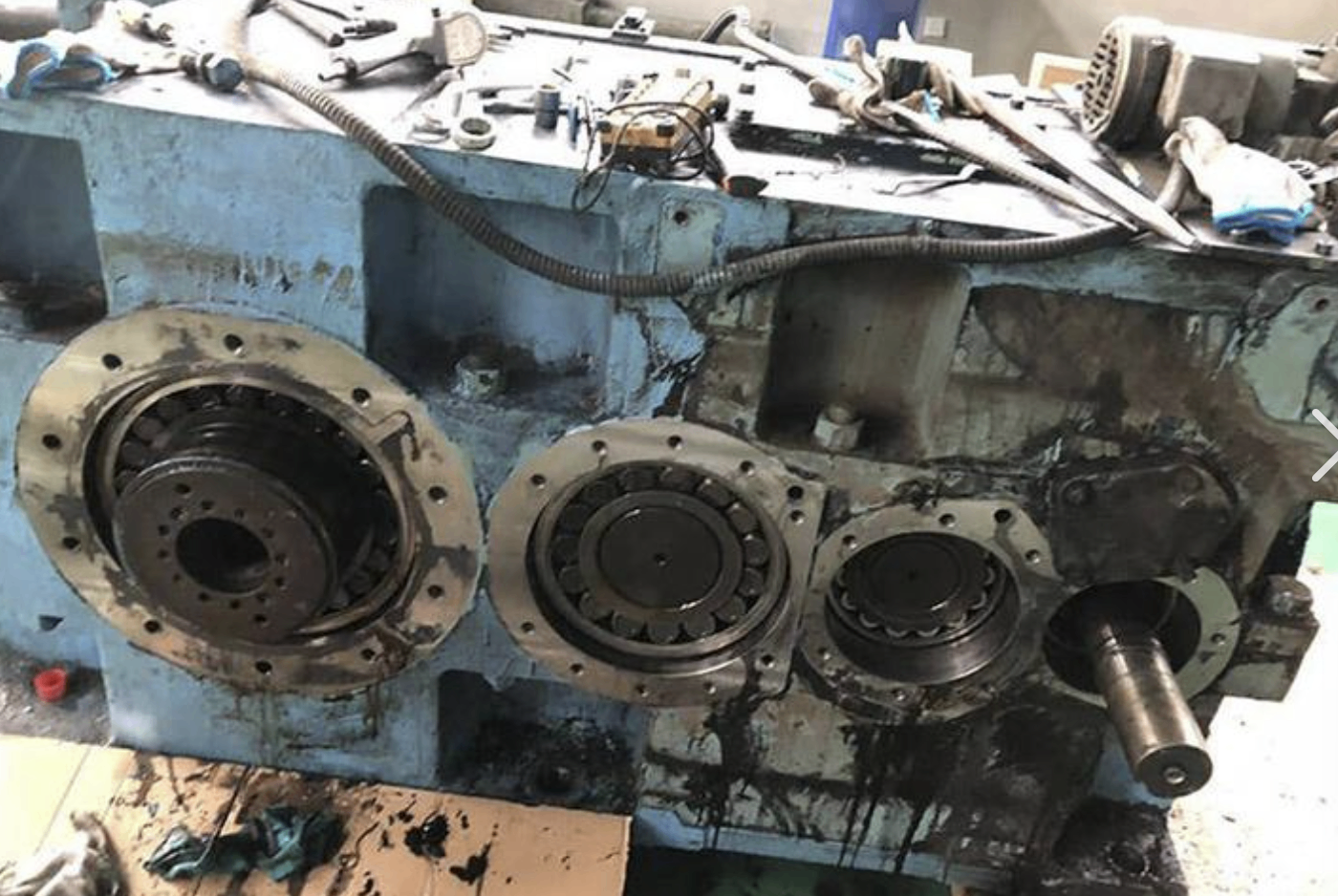 1. Root Cause Diagnosis & Resolution Strategies for Abnormal Reducer Overheating
Reducer overheating is not an isolated issue but a comprehensive symptom of mechanical failure, lubrication anomalies or improper application. Heat accumulation occurs when the heat generation rate exceeds the equipment’s heat dissipation limit.
1.1 Load and Operating Condition Issues
Undersized model selection is the primary cause of continuous overload overheating. When the actual load continuously exceeds the rated torque or the equipment bears frequent impact loads, internal power loss is rapidly converted into massive heat. In addition, many continuous-operation reducers reach thermal limits far earlier than mechanical limits due to underestimated operating cycle severity. The standardized solution is to recalculate the actual torque and start-stop frequency of the working condition, and replace with matched high-power energy-saving reducers if necessary, eliminating overload risks fundamentally.
1.2 Lubrication System Failures
Imbalanced oil level and deteriorated lubricant are hidden causes of overheating. Overfilled gear oil leads to severe churning loss, while insufficient oil fails to form a complete protective oil film. Moreover, mismatched lubricant grades, incorrect viscosity and decomposed additives will sharply increase internal friction.
Standard maintenance specifications require refilling professional industrial gear oil strictly to the standard scale after the reducer cools down to room temperature, and establishing a regular oil replacement schedule. High-temperature synthetic lubricants are mandatory for high-heat working scenarios.
1.3 Heat Dissipation and Mechanical Abnormalities
Closed installation environments, insufficient ventilation space and abnormal internal transmission resistance all lead to heat accumulation. Effective solutions include adjusting installation positions to reserve ventilation space, and installing external cooling fans or water circulation cooling systems for heavy-duty reducers. If overheating is accompanied by intensified vibration, disassemble and inspect gears and bearings, replace worn parts timely to restore standard transmission efficiency.
2. Multi-dimensional Causes & Repair Specifications for Reducer Oil Leakage
Oil leakage not only causes resource waste and environmental pollution, but also leads to insufficient lubrication inside the housing, triggering catastrophic mechanical failures. It mainly stems from three factors: seal failure, internal pressure imbalance and structural defects.
2.1 Seal System Failure (Direct Cause)
Aging oil seals, offset installation and shaft surface groove wear will all cause dynamic seal failure. The standard solution is to replace with wear-resistant thickened original factory oil seals, and repair shaft wear grooves with polymer composite materials to restore assembly accuracy. For joint surface leakage, completely remove old sealant, apply even new sealant, and fasten bolts diagonally with a torque wrench to eliminate gaps caused by uneven stress.
2.2 Internal Pressure Imbalance (Hidden Cause)
Temperature rise during operation increases internal housing pressure. If the breather valve is blocked, high-pressure oil and gas will squeeze out from weak seal positions and cause leakage. Regular cleaning or replacement of breather valves to balance internal and external air pressure is the key preventive measure. In addition, overfilling lubricant is a common operational error, which must be avoided by strictly controlling oil level within the standard range.
 3. Value Extension of Manufacturing Quality Control & Full Lifecycle Service
Fault control relies not only on post-failure maintenance, but more importantly on preventive guarantees from manufacturing and service systems. High-quality hardened gear reducers undergo strict sealing tests and full-load temperature rise inspections before delivery, greatly reducing inherent fault risks.
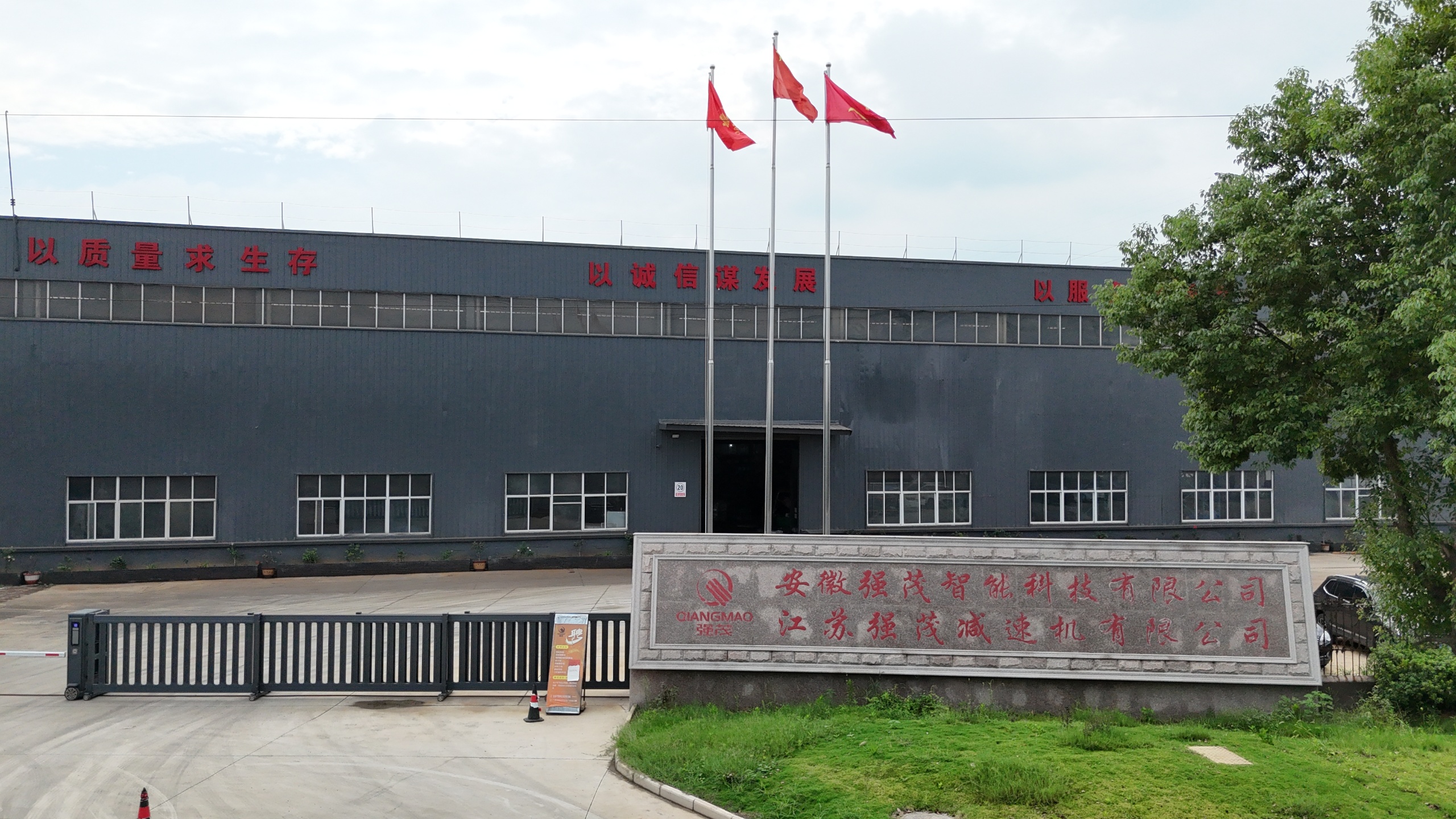
Supported by the multi-base linked warehousing system, Qiangmao ensures rapid allocation and ultra-fast delivery of standard reducers, high-temperature resistant models and customized non-standard products. We provide remote working condition diagnosis and on-site maintenance guidance, building a one-stop closed-loop “product + service” system.
This full lifecycle guarantee system minimizes production line downtime losses, helping enterprises shift equipment management from passive emergency repair to active preventive maintenance.